Dear visitors, on 30. 8. 2026 and 27. 9. 2026, it will only be possible to visit the castle with a ticket purchased online. Currently, all capacities are already full.
Frýdlant Castle and Chateau
Where the History of the “Terra Felix” Was Written. Frýdlant is not merely a monument. It is a place where medieval austerity meets Renaissance elegance, where military strategy intersects with art—and where one of the most powerful stories of Czech history was born.
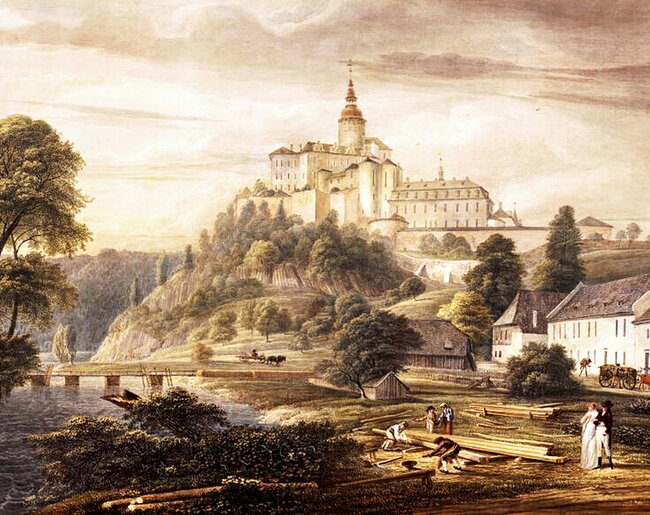
The Biberstein Family – Builders of the Fortress
Rising on a basalt rock above the Smědá River, a castle was founded in the mid-13th century with a single purpose: to protect trade routes and the northern border of the Kingdom of Bohemia. Its massive bergfried tower, thick walls, and palaces were not merely architecture—they were a demonstration of power.
In 1278, the estate passed to the Biberstein family. It was they who gave Frýdlant its monumental character. They constructed a grand palace and transformed it into one of the most significant fortresses in northern Bohemia. Frýdlant became a symbol of stability and influence.
The Renaissance Era of the Rederns
Between 1558 and 1620, the estate belonged to the Redern family—capable administrators and warriors, but also educated patrons of culture. They brought the spirit of the Renaissance to Frýdlant. A new chateau and chapel were built, designed by the Italian architect Marco Spazzio di Lancio. Suddenly, beside the Gothic stronghold stood a comfortable and representative Renaissance residence—a symbol of cultural vision and European ambition. Frýdlant was transforming from a military fortress into an aristocratic seat.
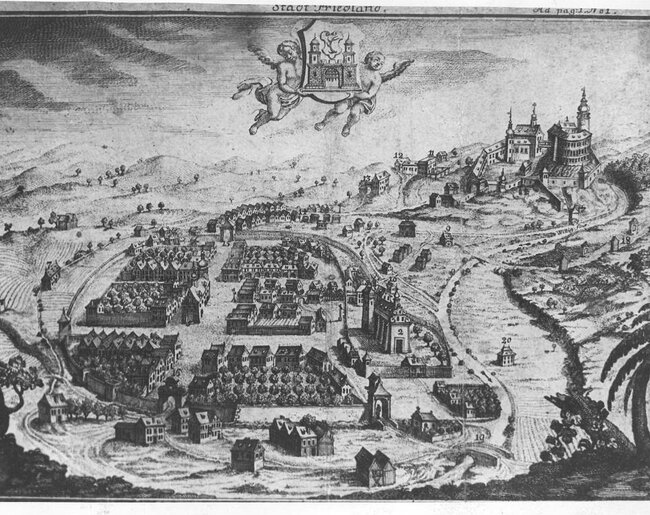
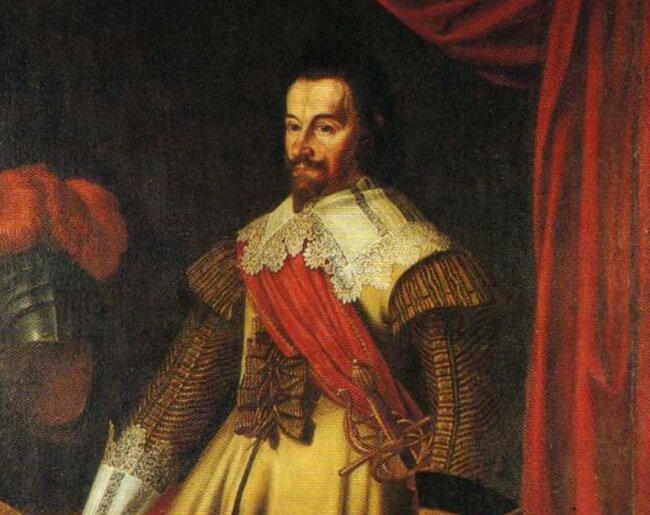
Albrecht von Wallenstein – The Man Who Created “Terra Felix”
In 1622, Frýdlant was purchased for 150,000 guilders by a man who would change the course of European history: Albrecht von Wallenstein. During the Thirty Years’ War, he built an enormous economic domain centered on Frýdlant. His lands supplied one of the strongest armies in Europe. The region earned the nickname Terra Felix - the “Happy Land.”
Wallenstein was not merely a military commander. He was a strategist, a visionary, and a man of immense ambition. He intended to make Frýdlant the center of his northern Bohemian “state within a state.” His dramatic assassination in 1634 abruptly ended that dream.
The Gallas and Clam-Gallas Families – Aristocracy Between Vienna and Frýdlant
The Gallas family acquired the estate through imperial confiscation, beginning an era that lasted more than three centuries. They belonged to the diplomatic elite of the Habsburg monarchy, serving as envoys in Spain, Italy, and at the papal court. For them, Frýdlant was not an isolated northern residence—it was a representative part of their European identity.
In 1759, the estate passed to the Clam-Gallas family, uniting both name and property. It was this family that gave Frýdlant the appearance we admire today. As early as 1801, they opened part of the castle to the public—an extraordinary gesture at the time. While most noble families guarded their treasures as symbols of exclusivity, here one of the first castle museums in Central Europe was established. This was not merely a romantic act, but an expression of Enlightenment thinking and aristocratic self-confidence. Frýdlant became a place of memory, not just a private residence.
In the 19th century, the last major structural modifications were carried out, particularly the reconstruction of the burgrave’s wing.
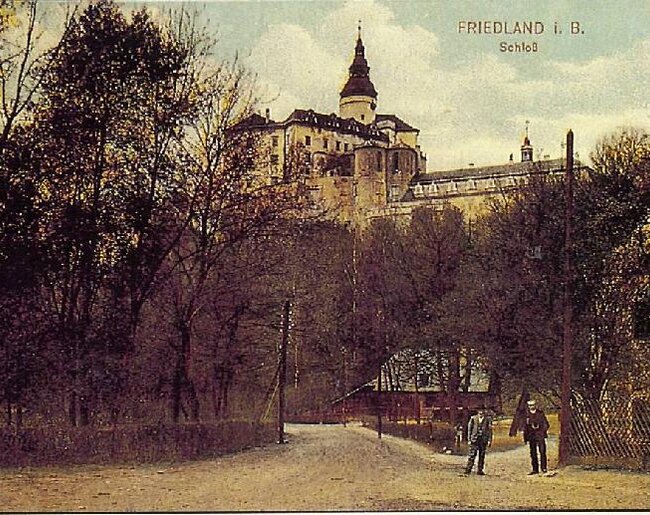
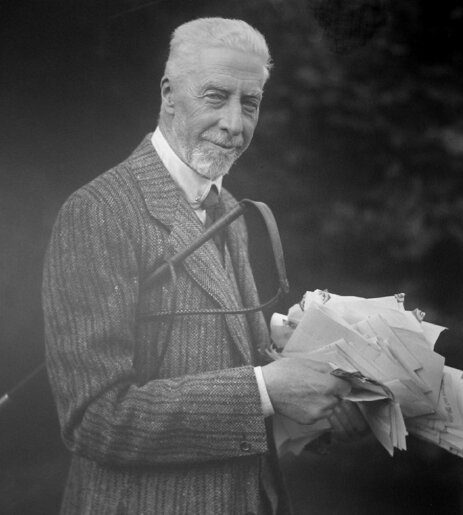
One of the most prominent figures of Frýdlant’s modern history was Franz Clam-Gallas (1854–1930), a general of the Austro-Hungarian army who commanded forces on the Eastern Front during the First World War.
At Frýdlant, he represented a world that was slowly fading away—the world of uniforms, courtly etiquette, faith in the emperor, and firm order. After 1918, he had to confront the collapse of Austria-Hungary and the creation of Czechoslovakia. The family lost part of its political influence, but Frýdlant remained their residence.
The year 1945 marked a final turning point. Under the Beneš Decrees, the Clam-Gallas estate passed to the state. Because the family had carefully maintained the residence and refrained from modernizing it according to passing trends, the castle and chateau have been preserved in an exceptionally authentic state.